

SS Yongala Wreck Dive Guide: Australia’s Most Incredible Shipwreck Dive
If you're searching for the best wreck dive in Australia, the SS Yongala should be at the top of your list.
Lying beneath the waters of the Coral Sea off the Queensland coast, the SS Yongala wreck has transformed from a tragic maritime disaster into one of the most spectacular dive sites on Earth.
Today, divers travel from around the world to experience this legendary wreck, drawn by its fascinating history, incredible marine life, and reputation as one of the top wreck dives on the Great Barrier Reef.
If you're planning a dive trip to Queensland, here's everything you need to know before diving the SS Yongala.
The Story of the SS Yongala Shipwreck
The SS Yongala was built in England in 1903 for the Adelaide Steamship Company and operated as a passenger and cargo steamship along Australia's east coast.
For years it transported passengers, livestock, and goods between major ports such as Brisbane, Mackay, and Townsville.
But on 23 March 1911, disaster struck.
While travelling from Mackay to Townsville, the ship sailed directly into a powerful tropical cyclone. The vessel disappeared during the storm with 122 passengers and crew onboard.
No distress signal was ever sent.
For nearly 50 years, the ship remained lost at sea, becoming one of Australia’s greatest maritime mysteries.
Then in 1958, fishermen accidentally discovered the wreck resting on the seafloor near Cape Bowling Green.
What they found would eventually become one of the world's most famous dive sites.
Why the SS Yongala Is One of the Best Wreck Dives in the World
Unlike many shipwrecks that slowly deteriorate, the SS Yongala has become a thriving artificial reef.
The wreck lies in around 30 metres of water, with the upper structure reaching approximately 14 metres below the surface, making it accessible for recreational divers.
At 109 metres long, the Yongala is the largest and most intact historic shipwreck in Australian waters.
Because the surrounding seabed is mostly flat sand, the wreck acts as a magnet for marine life migrating between the mainland and the outer reefs of the Great Barrier Reef.
This concentration of life is what makes the dive so unforgettable.
Marine Life You Can See at the Yongala Wreck
One of the main reasons divers visit the SS Yongala is the incredible density of marine life.
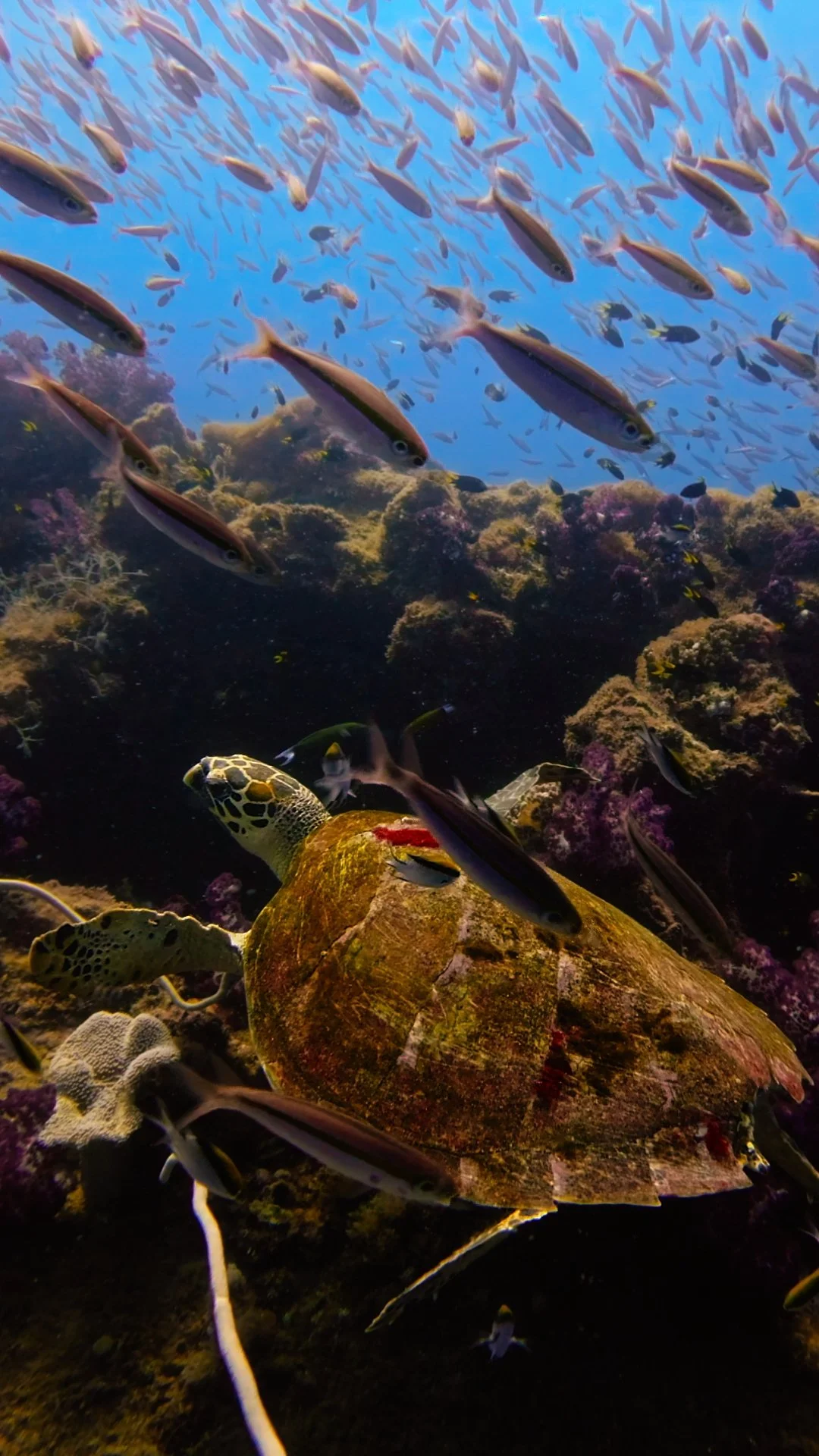
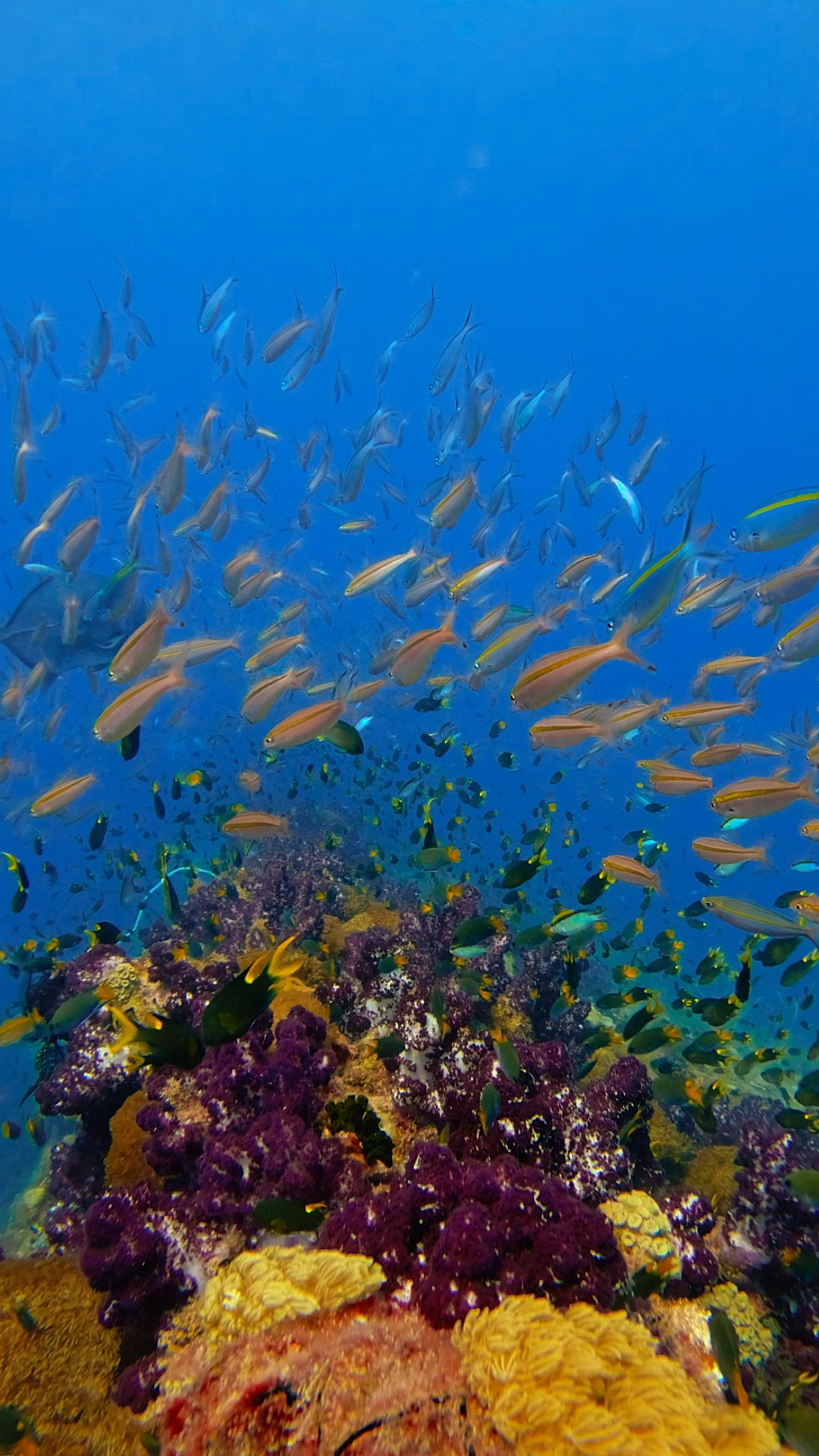
The wreck is covered in corals and sponges and surrounded by huge schools of fish.
Common sightings include:
Giant Queensland groupers
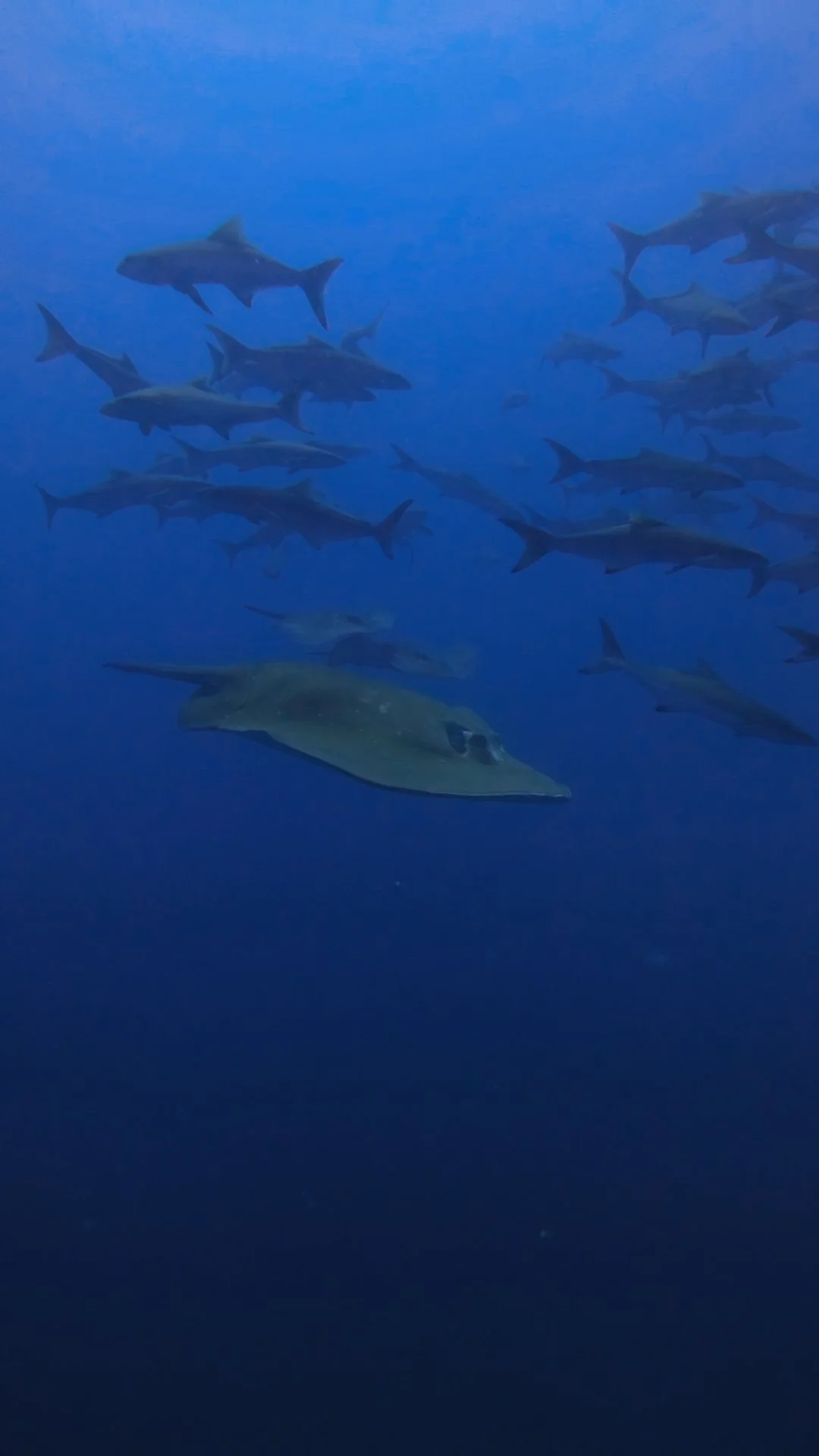
Schools of trevally and barracuda
Eagle rays and stingrays
Sea turtles
Reef sharks
Olive sea snakes
Huge clouds of reef fish
Many divers say the Yongala feels like diving inside a natural aquarium.
Large pelagic fish often circle the wreck while turtles and rays glide past the decks.
For underwater photographers, it's one of the most rewarding dive sites in Australia.
What the SS Yongala Dive Is Like
Diving the Yongala is less about exploring inside the wreck and more about experiencing the ecosystem surrounding it.
Because the wreck is protected under Australian heritage laws, penetration diving is not allowed. This helps preserve the structure and marine life.
Typical dive conditions:
Depth
14–28 metres
Visibility
10–20 metres depending on tides
Current
Moderate to strong currents are common
Dive type
Boat dive with descent line
Because the wreck is large, most dive operators run two dives on the site, allowing divers to explore different sections of the ship.
Who Can Dive the SS Yongala?
The Yongala is recommended for certified divers with some experience.
Most dive operators require:
Open Water certification
Minimum 6 logged dives
Comfort diving in currents
Some operators also offer guided deep dives with instructors for divers who want extra support.
If you're comfortable underwater and have basic dive experience, the Yongala is absolutely achievable.
Tips for Diving the SS Yongala
If you're planning a Yongala dive trip, these tips can make the experience even better.
Take seasickness tablets
The dive site sits offshore and boat rides can be rough in windy weather.
Use a wide-angle lens
The wreck and marine life are large, making wide-angle photography ideal.
Stay close to the mooring line
Currents can be strong, so guides usually run the dive along the wreck structure.
Bring a dive torch
Great for exploring coral growth and spotting macro life.
How to Dive the SS Yongala
Most dive trips to the Yongala depart from Alva Beach near Ayr, about 90 minutes south of Townsville in Queensland.
From there, boats travel approximately 30 km offshore to reach the wreck.
Trips typically include:
Boat transport to the wreck
Two guided dives
Tanks and weights
Safety briefings and experienced dive guides
Because the site is protected and access is controlled, diving the Yongala is only possible with a licensed operator.
Book a SS Yongala Wreck Dive
If you're planning a trip to North Queensland, this is one dive experience you don't want to miss.
Book your SS Yongala dive tour here
(Insert your affiliate booking link)
Spots often fill quickly during peak dive season, so booking ahead is recommended
Few dive sites in the world combine history, mystery, and marine life quite like the SS Yongala Wreck. Sitting beneath the waters of the Coral Sea off the coast of Queensland, this historic shipwreck has evolved from a maritime tragedy into one of the most spectacular underwater ecosystems on the planet.
Today, divers from around the world travel to experience the Yongala firsthand — not just to explore a wreck, but to witness a living reef teeming with marine life. If you’re considering adding it to your dive bucket list, here’s everything you need to know before taking the plunge.
The Tragic Story Behind the SS Yongala
The SS Yongala began her journey in England in 1903 as a luxury passenger and cargo steamship built for the Adelaide Steamship Company. She spent years travelling the Australian coastline transporting passengers, cargo, and livestock between major ports.
On 23 March 1911, while travelling from Mackay to Townsville, the ship sailed directly into a powerful tropical cyclone. Tragically, the vessel disappeared without a trace, taking 122 passengers and crew with it. No distress signal was sent and no lifeboats were launched — suggesting the ship sank suddenly and violently in the storm.
Despite a week-long search effort, no wreckage was found at the time. For nearly 50 years, the fate of the Yongala remained one of Australia’s greatest maritime mysteries.
It wasn’t until 1958 that the wreck was accidentally rediscovered on the seafloor off the coast near Cape Bowling Green.
What divers eventually discovered was something remarkable.
From Shipwreck to Thriving Reef
More than a century after the sinking, the Yongala has transformed into an enormous artificial reef. The ship lies on a sandy seabed roughly 30 metres deep, with the highest points of the wreck reaching about 14–16 metres below the surface, making it accessible to recreational divers.
At 109 metres long, the Yongala is considered the largest and most intact historic shipwreck in Australian waters.
Because the surrounding seabed is largely featureless sand, the wreck has become a critical habitat for marine life migrating between the mainland and the outer Great Barrier Reef. Over time, corals, sponges, and marine organisms colonised the structure, turning it into a vibrant underwater ecosystem.
For divers, this means one thing:
Life is everywhere.
What You’ll See When Diving the Yongala
Diving the Yongala is often described as swimming through a living aquarium. Marine life congregates here in incredible numbers, attracted by the shelter and food provided by the wreck.
Some of the marine species commonly spotted include:
Giant Queensland groupers
Massive schools of trevally and barracuda
Eagle rays and marble rays
Sea turtles
Reef sharks
Olive sea snakes
Huge clouds of reef fish
The wreck is also covered in colourful hard and soft corals, sponges, and macro life such as nudibranchs and seahorses.
Many divers report that it’s difficult to know where to look — between the schooling fish, cruising predators, and coral-covered structures, every direction offers something new.
The Dive Itself
Unlike many wreck dives, penetration diving is not permitted on the Yongala. The site is protected under Australian heritage laws to preserve the wreck and prevent damage to the structure.
However, this doesn’t take away from the experience. In fact, the real highlight of the dive is the marine life surrounding the wreck, rather than exploring the interior.
Typical dive conditions include:
Depth:
14–28 metres
Visibility:
Usually between 10–20 metres depending on tides
Current:
Can be strong, making the dive better suited for experienced divers
Structure:
The wreck lies on its starboard side and is largely intact, with recognisable features such as the bow, decks, and railings.
Because of the size of the ship, most dive trips include two dives, allowing divers to explore different sections of the wreck.
Who Can Dive the SS Yongala?
The Yongala is generally recommended for certified divers with some experience due to currents and depth.
Most operators require:
Open Water certification
At least 6 logged dives
Deep dive training or orientation
Some dive operators offer a deep orientation dive with an instructor for divers who haven’t yet completed a deep specialty.
If you’re comfortable in moderate current and have some dive experience, the Yongala is absolutely achievable — and incredibly rewarding.
Why the Yongala Is Considered One of the Best Wreck Dives in the World
There are plenty of shipwreck dives around the globe, but the Yongala stands apart for several reasons:
1. Incredible marine life
Few wrecks anywhere attract the sheer density of marine life found here.
2. Perfect recreational depth
The wreck sits within recreational dive limits, making it accessible to most certified divers.
3. Historic significance
The Yongala represents one of Australia’s most important maritime disasters.
4. Exceptional preservation
After more than a century underwater, the wreck remains remarkably intact.
The result is a dive that blends history, exploration, and wildlife encounters into one unforgettable experience.
Tips Before You Go
If you’re planning to dive the Yongala, here are a few tips that will make the experience even better.
Bring seasickness medication
The wreck sits offshore and the boat ride can be rough on windy days.
Watch your buoyancy
With so much marine life around, good buoyancy helps avoid damaging coral or disturbing wildlife.
Bring a wide-angle camera lens
Between the enormous fish schools and the massive wreck structure, wide-angle photography works best here.
Expect currents
Stay close to your guide and plan your dive profile carefully.
A Dive You’ll Never Forget
There are dives that impress you, and there are dives that stay with you forever.
The SS Yongala is firmly in the second category.
Descending onto the wreck, seeing the outline of the ship emerge through the blue, and then watching entire ecosystems swirl around its rusting hull is something that photos can barely capture.
It’s a place where history rests quietly beneath the waves, while life flourishes all around it.
For divers visiting Australia — or anyone exploring the Great Barrier Reef — the Yongala isn’t just another dive site.
It’s a bucket-list experience.